Mountsfield Park front garden care by Lee gardeners
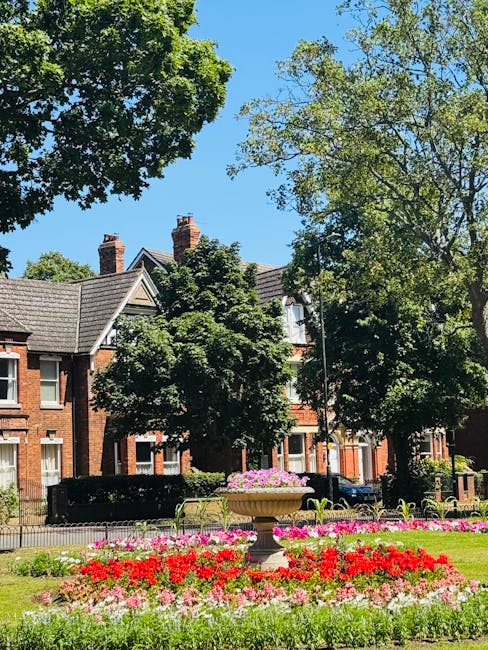
Front gardens do a lot of heavy lifting. They greet visitors, soften the look of the property, and quietly tell the street whether a home is cared for or left to fend for itself. If you are looking into Mountsfield Park front garden care by Lee gardeners, you are probably after more than a quick tidy-up. You want a front space that looks neat, feels welcoming, and stays manageable through the seasons without becoming a weekend drain.
That is exactly where thoughtful, regular garden care makes the difference. A front garden near Mountsfield Park can face the usual London mix of compacted soil, patchy shade, foot traffic, overgrown edges, and the odd bit of wind-blown debris that seems to appear overnight. The good news? With the right routine, even a modest frontage can look sharp without needing constant intervention. Below, we break down how this kind of care works, what to watch for, and how to choose the right approach for your home.
Why Mountsfield Park front garden care by Lee gardeners Matters
A front garden is not just decoration. It affects first impressions, light, access, safety, and even how much day-to-day upkeep the property demands. In Mountsfield Park, where many homes balance kerb appeal with practical use, a front plot can quickly drift from tidy to tired if it is ignored for a few weeks. A few fallen leaves, a hedging line left to run, or lawn edges that creep out of shape can make the whole property look a bit neglected. Bit unfair, really, but that is how people read a front space.
Good front garden care is especially valuable where the space is small. Small gardens show every detail. That means the result of proper maintenance is more visible too. A clean edge, clipped hedge, healthy planting, and weed-free paving can transform the whole street-facing appearance without needing a full redesign. It also helps with practical things like clear paths, easy access to bins and doors, and fewer trip hazards.
There is also the simple comfort factor. Walking up to your own door and seeing a cared-for front garden does something pleasant to the mood. You notice it on rainy mornings, and again in the evening when the light hits the planting and the pavement is clear. It just feels better. Truth be told, that matters more than people sometimes admit.
If you are considering a broader property refresh, it can help to view the front garden as part of a wider maintenance plan. Services such as garden maintenance, lawn mowing, and hedge trimming often work together, rather than as isolated tasks. That is usually how the neatest gardens stay neat.
How Mountsfield Park front garden care by Lee gardeners Works
Front garden care is usually best handled as a repeatable routine rather than a one-off rescue. The exact service will depend on the condition of the space, the planting style, and how much maintenance the homeowner wants between visits. In practice, a tidy, durable result tends to come from a sequence of clear steps rather than a quick sweep and hope-for-the-best approach.
It often begins with an assessment of the space. That means looking at the lawn, shrubs, borders, hard surfaces, access points, and any problem areas such as weeds, poor drainage, or overgrown growth near paths. A front garden with a lot of shade may need a different routine from one that gets full sun and dries out quickly. One with mature shrubs will need more careful shaping than one mostly made up of low planting and paving.
From there, the work usually falls into a few practical categories:
- Surface tidying such as leaf removal, sweeping, and general clearing of debris.
- Lawn care where grass is present, including mowing, edging, and checking for scalping or patchiness.
- Hedge and shrub control to keep growth balanced and prevent spillover onto paths or windows.
- Weed management around borders, paving joints, walls, and gravel areas.
- Pruning and deadheading to encourage healthy, tidy growth.
- Minor clearance if the garden has become cluttered, unruly, or blocked.
When the front garden needs more than routine upkeep, it may make sense to add garden clearance or even light landscaping work. That might mean restoring a border, improving a tired path edge, or reshaping a small entry space so it works better in daily use. Not every garden needs a makeover. But some do need a reset before maintenance can really stick.
In a well-run service, the point is not just to make things look neat for the day. It is to create a front garden that stays easier to manage afterwards. That is the difference between a tidy finish and a genuinely useful result.
Key Benefits and Practical Advantages
There are obvious visual benefits to front garden care, but the practical ones often matter just as much. A small amount of regular work can save a lot of future hassle. Let's face it, most people do not mind a little maintenance. It is the creeping, endless kind that gets annoying.
| Benefit | What it means in practice | Why it matters |
|---|---|---|
| Better kerb appeal | Tidy edges, balanced planting, cleaner surfaces | Makes the home look cared for and welcoming |
| Safer access | Clear paths, fewer trip hazards, less spillover growth | Improves day-to-day movement to the door and bins |
| Easier upkeep | Small, regular tasks prevent big jobs later | Reduces stress and keeps costs more predictable |
| Healthier planting | More suitable pruning, cutting, feeding and cleaning | Helps shrubs and lawns stay strong rather than scruffy |
| Better use of space | Thoughtful shaping and layout improvements | Makes even compact front gardens work harder |
Another practical upside is consistency. Once a front garden is on a sensible maintenance rhythm, it tends to stay under control. Growth patterns become predictable, and the property stops swinging between "fine" and "oh dear" every six weeks. That calmness is worth a lot, especially for homeowners who are busy or away often.
There is also value in the finishing touches. A lawn can be healthy but still look messy if the edges are vague. Shrubs can be fine, but if they brush the pavement or hide the front step, the whole frontage feels crowded. Small corrections make a surprisingly big difference. Small, but important.
Who This Is For and When It Makes Sense
Front garden care is not just for people with large, ornamental spaces. In fact, the smaller and more visible the frontage, the more useful a regular care plan becomes. If you live near Mountsfield Park and your front area is the first thing people see, a maintained garden can save time, support the property's appearance, and prevent little problems from growing into bigger ones.
This kind of work makes sense if:
- your front garden looks tidy for a week, then starts drifting again
- you have a hedge, shrubs, or a small lawn that need more than occasional attention
- weeds are returning in paving, gravel, or border edges
- the front path feels cluttered or awkward to use
- you want the home to look cared for without a full redesign
- you are preparing for visitors, a sale, a tenancy change, or just a fresh start
It is also a good fit for older homeowners, busy households, and landlords who need a reliable standard without constant supervision. The same goes for people who know what they want visually but do not have the time, tools, or patience to keep chasing after it every weekend. Honestly, who does?
For homes where the layout feels awkward or the planting no longer works, it may be worth thinking beyond maintenance alone. Landscape gardening can help if the front area needs rethinking rather than just trimming. If you already have a decent structure, routine care is often enough. The trick is knowing which side of that line your garden sits on.
Step-by-Step Guidance
Here is a practical way to approach front garden care so the result looks neat and lasts longer than a day or two.
- Start with a full visual check. Walk from the pavement to the front door and look at the garden as a visitor would. Notice overhanging growth, weeds, uneven grass, litter, dead stems, and blocked edges.
- Clear the obvious mess first. Remove fallen leaves, branches, loose debris, and anything sitting on the soil or paving that makes the space feel untidy.
- Cut back what is in the way. Trim hedges and shrubs that are spilling onto paths, covering windows, or crowding the entrance. Shape matters as much as height.
- Deal with weeds properly. Pull or remove them from borders and paved areas before they seed. A quick surface tidy is not the same as actually getting rid of the problem.
- Refresh the lawn if you have one. Mow to an appropriate height, tidy the edges, and avoid cutting too low. A stressed front lawn can look tired very quickly.
- Check drainage and compacted areas. If the soil stays hard, soggy, or bare in patches, maintenance alone may not be enough. You may need small improvements to soil structure or layout.
- Finish with the details. Straighten borders, sweep paths, remove cuttings, and step back. If the space looks clean from the road, you are on the right track.
A useful habit is to repeat the same sequence every visit. Routine creates consistency, and consistency makes the garden easier to manage. That is why good maintenance often feels almost boring in the best possible way. Nothing dramatic, no chaos, just a front garden that behaves itself.
If work goes beyond simple upkeep, a broader service package that includes services overview planning can help you decide whether regular care, clearance, or structural improvements are the better next step.
Expert Tips for Better Results
Some front gardens look good because someone has worked hard. The best ones look good because someone has worked smart. Here are a few things that make a real difference.
- Keep the front edge sharper than the back garden edge. Street-facing spaces benefit from a more finished look. People notice the line where the garden meets the path.
- Match the maintenance to the planting. Fast-growing hedges and shrubs need more regular shaping than slow growers. Do not fight the plant; work with it.
- Watch the scale. A small front garden can feel crowded very quickly. If one shrub is too big for the space, trimming alone may not solve the problem.
- Use repetition wisely. Repeated planting or repeated shapes can make the frontage feel calmer and more expensive-looking, even if the budget was modest.
- Do not let weeds settle into routine. Once they are established in paving cracks or gravel, they become one of those annoying little jobs that never ends. You know the sort.
- Think in seasons, not just weeks. Spring growth, summer dry spells, autumn leaf drop, and winter dieback all change what front garden care should look like.
One thing people often overlook is the approach path. If the route to the door is clean, well-edged, and free of overgrowth, the whole property feels more cared for. Even a simple front garden can look much better just by giving the eye a clear line to follow.
Where trees or larger limbs interfere with access or light, it may be appropriate to consider tree lopping and removal. That is not always needed, of course, but it is worth keeping in mind if a tree is dominating a small frontage or making the space too shaded for healthy growth.
Common Mistakes to Avoid
Front garden care can go wrong in a few predictable ways. None of them are dramatic on their own, but together they make a garden look tired, uneven, or overworked.
- Cutting hedges too hard. Overcutting can leave a hedge thin, misshapen, or slow to recover. Little and often is usually safer.
- Scalping the lawn. Cutting grass too low makes it patchy and stressed, especially in dry spells or shaded areas.
- Ignoring the edges. A mown lawn with messy borders still looks unfinished. Edging matters more than people think.
- Letting weeds seed. Once they have scattered, the job becomes harder next time.
- Mixing tidy-up with redesign. If the garden layout itself does not work, a maintenance visit may only mask the issue for a while.
- Forgetting access and sight lines. A lovely shrub is less lovely when it blocks the front step, the bin route, or a window.
Another common mistake is trying to do everything in one go after a long gap. That often leads to rushed cutting, uneven finishes, and more waste. Better to reset the space carefully and then keep on top of it. Slow and steady. Boring, maybe. Effective, definitely.
Tools, Resources and Recommendations
You do not need a shed full of kit to keep a front garden in good shape, but the right tools make the work cleaner and safer. For most homes, the useful basics are pretty simple.
- Hand shears or hedge trimmers for shaping shrubs and hedges neatly
- A reliable mower for lawns that need regular cutting
- Secateurs for deadheading, light pruning, and finer work
- Stiff broom or brush for paths and paving
- Gloves and eye protection for comfort and safety
- Green waste sacks or containers for manageable clearing and disposal
If the garden is more cluttered than cared for, a structured clearance may be the most practical starting point. Garden clearance can reset a space before ongoing maintenance begins. That is often the cleanest way to move from "this is a bit much" to "right, now we can work with this."
For longer-term planning, think in terms of access, light, planting density, and time available. A front garden that suits your lifestyle is far easier to keep tidy than one that needs constant rescue. You do not want a design that looks beautiful for two weeks and then starts sulking. Gardens can be oddly sensitive like that.
Where sustainability matters, it is worth considering how cuttings and waste are handled. Responsible disposal and recycling of green waste is a sensible part of good practice, and it helps keep the whole service more responsible from start to finish. If that matters to you, recycling and sustainability is a useful part of the picture.
Law, Compliance, Standards and Best Practice
Front garden care is mostly practical rather than heavily regulated, but there are still sensible standards to follow. Good practice protects people, plants, and property. It also helps avoid avoidable disputes with neighbours, visitors, or contractors.
In the UK, any work involving tools, ladders, cutting equipment, or waste handling should be approached with basic safety discipline. That means keeping paths clear, using equipment correctly, and not taking shortcuts around sharp tools or unstable footing. Wet paving, uneven borders, and overgrown front entrances can all create slips or trips, so a careful approach really matters.
There is also a duty of care angle. If a front garden is making a pavement, shared entrance, or access route awkward to use, it is sensible to address it promptly. That might involve cutting back growth, removing obstructions, or reshaping planting. The specifics vary by property, but the principle is straightforward: do not let the garden create avoidable risk.
For service providers, a clear approach to safety, insurance, and working practices gives homeowners confidence. It is reasonable to ask how a team handles equipment, waste, access, and public-facing work. The relevant details are often set out in pages such as health and safety policy and insurance and safety, which help show how those standards are considered in day-to-day work.
Best practice also includes being clear about expectations, timing, and payment terms. That is not glamorous, but it avoids muddle later. If you are comparing options, it is sensible to review pricing and quotes alongside the work scope so you know what is included. Transparency tends to make everybody calmer.
Options and Method Comparison
Not every front garden needs the same approach. Some just need regular care. Others need a bit of structural help before maintenance can properly take hold.
| Approach | Best for | Strengths | Limitations |
|---|---|---|---|
| Routine maintenance | Front gardens already in fair condition | Keeps things tidy, predictable, and manageable | Won't fix poor layout or deeper overgrowth |
| Clearance first, then maintenance | Overgrown or neglected spaces | Resets the garden and makes future upkeep easier | Needs more initial effort |
| Light landscaping improvements | Spaces with layout, access, or drainage issues | Can make the garden genuinely easier to use | May take more planning and budget |
| Full landscape redesign | Gardens that no longer suit the property or lifestyle | Largest long-term impact | More time, more cost, more decision-making |
In plain terms, if the garden already has decent bones, maintenance is usually enough. If it is overrun, clearance first is the sensible move. And if the layout itself is the problem, then a more considered redesign may be the better path. The trick is matching the job to the real condition of the space, not the wishful version in your head. We all do that a bit, to be fair.
Case Study or Real-World Example
Picture a typical front garden near Mountsfield Park: a narrow lawn, two medium shrubs, a short hedge by the boundary, and paving that leads from the pavement to the front door. It looked reasonable from a distance, but close up it had become a bit unruly. The hedge had crept over the path, the lawn edges were blurred, and weeds had settled into the paving joints. Not a disaster. Just enough to make the whole place feel tired.
The first step was a proper clear-out of the loose debris and spent growth. After that, the hedge was reshaped rather than chopped flat, the lawn was mown and edged, and the paving was cleaned back so the entry line felt clear again. A few tired plants were removed from the border and replaced with simpler, lower-maintenance structure. Nothing flashy. No grand reveal music, sadly.
The result was not a brand-new garden. That was not the point. It was a front garden that looked like someone cared, and more importantly, one that would be easier to keep that way. That is the sort of change most homeowners actually want. Practical improvement. Less fuss. Better daily feel.
When the garden was revisited later in the season, the difference held because the work had been done with maintenance in mind, not just appearance for one afternoon. That is the real aim of front garden care: not perfection, just a steady sense of order.
Practical Checklist
Use this checklist if you want to judge whether your front garden needs a tidy-up, a reset, or a more regular maintenance plan.
- Is the front path clear and easy to use?
- Are hedges or shrubs spilling into walkways or blocking views?
- Has the lawn become patchy, uneven, or edge-less?
- Are weeds returning in borders, paving, or gravel?
- Does the garden look tidy for a short time, then decline quickly?
- Are there dead plants, broken stems, or untidy cuttings left behind?
- Would a clearance make the space easier to manage?
- Would simple maintenance keep the garden looking good once the basics are reset?
- Do you need help with a bigger improvement, such as layout or access?
- Do you want the space to look smart without constant DIY weekends?
Expert summary: A front garden works best when it is designed for easy upkeep, not just a one-time tidy appearance. If you can keep the lines clear, the growth controlled, and the access simple, the whole property feels calmer straight away.
Get a free quote today and see how much you can save.
Conclusion
Mountsfield Park front garden care is about more than appearances. Done well, it improves first impressions, supports safer access, reduces future work, and helps a property feel properly looked after. The best results usually come from a sensible mix of routine maintenance, selective cutting, and a clear-eyed view of what the space actually needs.
If your front garden is nearly there, regular upkeep may be all it needs. If it has drifted into clutter, a clearance-led reset can bring it back under control. And if the layout is no longer working, a small amount of landscaping thought can make daily life easier in a way that you notice every single day. That is the lovely thing about a well-kept front garden. It quietly improves things without making a fuss.
For homeowners who want a dependable, tidy result with a professional finish, Lee gardeners can help turn a front space from slightly stressful into something much more welcoming. Sometimes that is all it takes - a bit of order, a bit of care, and a garden that feels like it belongs to the house again.
Frequently Asked Questions
What does Mountsfield Park front garden care by Lee gardeners usually include?
It typically includes tidy-up work such as lawn cutting, hedge trimming, border cleaning, weed removal, pruning, and making the entrance area look neat and accessible. The exact mix depends on the garden's condition.
How often should a front garden be maintained?
That depends on the planting and how quickly things grow, but many front gardens benefit from regular attention rather than waiting until they look overrun. Smaller, visible spaces often need more frequent light care than occasional heavy work.
Is front garden care different from regular garden maintenance?
Yes, usually a little. Front garden care tends to focus more on presentation, access, and kerb appeal, while general garden maintenance may cover larger lawns, beds, and back garden areas too.
What if my front garden is badly overgrown?
If it has got away from you, a clearance-first approach is often the best starting point. Once the garden is reset, it becomes much easier to keep under control with routine maintenance afterwards.
Can a small front garden still benefit from professional care?
Absolutely. In fact, smaller front gardens often benefit most because every detail is visible from the street. A neat edge or properly shaped hedge can make a surprising difference.
Will front garden care help with kerb appeal if I'm selling my home?
Yes. A tidy front garden creates a cleaner first impression and helps the property feel cared for. It is one of the quickest ways to make the home look more presentable before viewings.
What should I ask before booking garden work?
Ask what is included, how the work will be carried out, whether waste removal is part of the job, and what ongoing maintenance might be recommended. It also helps to ask about safety and insurance standards.
Do I need clearance or landscaping, or just maintenance?
If the garden is basically sound but untidy, maintenance is probably enough. If it is cluttered or neglected, clearance may be needed first. If the layout itself is the issue, light landscaping could be the better long-term fix.
Can front garden care include hedges and shrubs that block light?
Yes, trimming and shaping are often part of the work. If a shrub or hedge is too large for the space, careful reduction or restructuring may help restore balance and light.
What makes a front garden easier to maintain in the long run?
Simple planting, clear edges, manageable hedge lines, and sensible spacing all help. A garden that is designed for upkeep tends to stay tidy with far less effort, which is the real win.
How do I know if my front garden needs a professional touch?
If you keep putting off the same jobs, if the space looks neat only briefly, or if it feels more stressful than enjoyable, that is usually a sign it would benefit from professional help. Sometimes an outside eye spots the obvious fix straight away.
Where can I learn more about the company and its service approach?
You can review the team's background on the about us page and explore the wider services overview to see how different garden tasks fit together.