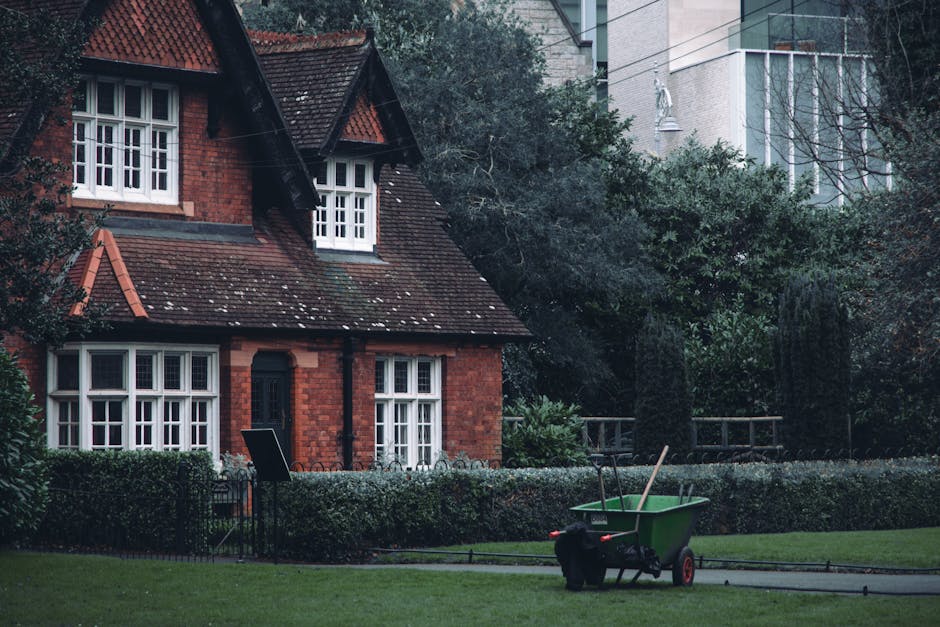
Lee SE12 garden maintenance for Mountsfield Park homes
Gardens around Mountsfield Park have a particular feel to them: leafy, lived-in, and often a bit more demanding than they first appear. If you live nearby, you already know how fast a tidy outdoor space can slide into a patchy lawn, overgrown hedge, or a pile of cuttings after just a few wet weeks. That is exactly where Lee SE12 garden maintenance for Mountsfield Park homes becomes valuable. It is not just about making things look neat for a weekend. It is about keeping your garden healthy, safe, usable, and manageable all year round.
In this guide, we will look at what garden maintenance actually includes, how it works in practice, what matters most for local homes, and how to decide which tasks need regular attention and which can wait. We will also cover common mistakes, helpful tools, compliance basics, and a few grounded examples from the kind of everyday gardens that sit comfortably around this part of southeast London. Nothing overly fancy. Just useful advice you can act on.
Contents
- Why Lee SE12 garden maintenance for Mountsfield Park homes Matters
- How Lee SE12 garden maintenance for Mountsfield Park homes Works
- Key Benefits and Practical Advantages
- Who This Is For and When It Makes Sense
- Step-by-Step Guidance
- Expert Tips for Better Results
- Common Mistakes to Avoid
- Tools, Resources and Recommendations
- Law, Compliance, Standards, or Best Practice
- Options, Methods, or Comparison Table
- Case Study or Real-World Example
- Practical Checklist
- Conclusion
- Frequently Asked Questions
Why Lee SE12 garden maintenance for Mountsfield Park homes Matters
A good garden does more than look tidy from the window. Around Mountsfield Park, gardens often have mixed planting, mature shrubs, boundary hedges, compact lawns, and the occasional awkward corner that collects leaf litter and weeds. If those details are left alone, the whole space starts to feel heavier to use. Paths get slippery. Lawn edges blur. Shrubs crowd each other. And before long, even a small garden can feel like hard work rather than somewhere to relax.
Regular maintenance matters because gardens are living spaces, not static ones. They change with the seasons, with rainfall, with shade, and with how much traffic they get from people, pets, and children. A well-kept garden usually needs smaller, steadier interventions rather than occasional heroic clean-ups. That approach is kinder to the garden, and honestly, kinder to you as well.
For local homes, there is also a practical side. Many gardens in Lee SE12 are close enough to neighbours that boundaries, hedge height, and general presentation matter. A neglected garden can quickly affect light, privacy, and day-to-day enjoyment on both sides. To be fair, most people do not want a show garden. They just want something healthy, safe, and easy to live with.
Expert summary: The best garden maintenance is rarely dramatic. It is the steady, sensible work that keeps plants healthy, lawns usable, and outdoor spaces from becoming a weekend burden.
How Lee SE12 garden maintenance for Mountsfield Park homes Works
Garden maintenance usually begins with a simple assessment of what the garden actually needs now, not what it needed last summer. That might include lawn mowing, hedge trimming, weeding, border tidying, leaf clearance, pruning, and general waste removal. In some gardens, there may also be a need for seasonal planting support, light landscaping work, or advice on recovering tired areas.
The process is often part routine and part judgement. Some jobs are straightforward. Others need a bit of care. For example, a hedge may look slightly untidy, but the right cut depends on the plant type, nesting season considerations, and whether the hedge is being kept at a manageable size or being reshaped. The same applies to lawns: mowing too short can weaken the grass, while leaving it too long can make the surface patchy and difficult to recover.
A sensible maintenance visit tends to work like this:
- Inspect the garden and note urgent issues, seasonal growth, and safety concerns.
- Clear obvious waste, branches, or debris so the space is easier to work in.
- Carry out the core jobs first, such as mowing, trimming, edging, or pruning.
- Finish with detail work, like sweeping paths, shaping borders, and removing cuttings.
- Review anything that needs attention next time, especially faster-growing sections.
That approach keeps the work efficient and avoids the classic problem where the garden looks neat in one spot but messy everywhere else. You want balance. Not perfection, just balance. Most real gardens need that.
If your outdoor space includes decking or more structured elements, maintenance can also overlap with services such as decking services or broader landscaping support when surfaces, borders, or layout need attention beyond basic upkeep.
Key Benefits and Practical Advantages
The most obvious benefit is visual. A maintained garden looks better. But the real value goes deeper than that. A tidy outdoor space is easier to use, easier to clean, and usually cheaper to manage over time than a neglected one that needs a full reset.
Here are the practical advantages that matter most to Mountsfield Park homes:
- Healthier planting: Regular pruning, feeding, and weed control help plants grow more evenly and reduce competition for light and nutrients.
- Better lawn condition: Frequent mowing and edging keep grass denser and reduce the chance of it becoming thin or spongy.
- Safer access: Clear paths, controlled growth, and tidy borders reduce slips, trip points, and hidden obstacles.
- More usable space: A garden feels bigger when it is not visually crowded by uncut growth or clutter.
- Less stress later: Small regular jobs are far easier than tackling a garden that has been left to run for months.
- Improved neighbour relations: This is one people forget. A neat boundary and managed hedge can avoid small frustrations building up.
There is also a psychological benefit. When the garden is under control, you tend to use it more. A chair comes out. A washing line gets used properly. Kids kick a ball around without complaining about brambles. Even on a grey London morning, you glance out and think, yes, that is manageable.
That feeling matters more than people admit.
Who This Is For and When It Makes Sense
Lee SE12 garden maintenance for Mountsfield Park homes suits a wide range of households, but the reasons for booking it vary. Some people simply do not have the time. Others can manage light jobs but need help with the heavier, messier, or less frequent tasks. And some are dealing with a garden that has got away from them after a busy season, holiday, or illness.
It usually makes sense if you:
- have a lawn that needs regular mowing and edging;
- struggle to keep hedges, shrubs, or climbers from becoming overgrown;
- want a tidy frontage or rear garden without weekend catch-up work;
- have moved into a property with an established but neglected garden;
- are preparing for guests, a property sale, or rental turnover;
- need seasonal clearance after leaf fall, storms, or heavy growth;
- prefer a proper maintenance routine rather than one-off panic jobs.
It also makes sense for older homeowners or busy families who want to enjoy the garden without carrying every task themselves. Truth be told, a lot of people only realise they need support after one bad weekend with a mower, a rake, and a pile of brambles that seems to double when you blink.
For more structured planning across multiple outdoor tasks, the broader garden maintenance service overview can help you think about what belongs in a regular visit and what should be booked separately. If the space has become cluttered or difficult to manage, garden clearance may be the better first step before maintenance routines can really take hold.
Step-by-Step Guidance
If you are trying to bring a garden back into shape, the most effective approach is usually the simplest one. Start with the mess that blocks progress, then move to routine care, then finish with shaping and refinement. It sounds obvious, but the order matters more than people think.
1. Assess the condition honestly
Walk the garden slowly and look at it as a whole. What is overgrown? What is failing? Which areas are just untidy, and which areas are actually unhealthy or unsafe? You do not need to solve everything at once. Just identify the biggest constraints.
2. Remove waste and obvious clutter
Loose branches, dead growth, windblown litter, broken pots, and old plant material can make everything else harder. Clear those first. It opens up the space and gives you a better sense of what remains.
3. Tackle the lawn
If grass is part of the garden, mowing often changes the whole feel of the space. The key is not to cut too much at once. A gradual approach is usually healthier than trying to force a dramatic tidy-up in one go. If the lawn has become rough or uneven, a professional lawn mowing visit can restore structure and make the rest of the garden easier to manage.
4. Shape hedges and shrubs
Controlled trimming makes boundaries cleaner and stops growth from swallowing paths, fences, or windows. If you are unsure how hard a shrub can be cut back, that is a good sign to proceed carefully. Different species respond differently. Some bounce back quickly; others sulk a bit, frankly.
For boundary work and taller growth, hedge trimming keeps lines crisp and prevents the garden from feeling compressed. If a tree is becoming unsafe, leaning, or simply too dominant, tree lopping and removal may need to be considered with care and proper judgement.
5. Weed borders and refresh edges
Weeds are never glamorous, but they are often the difference between a garden that feels maintained and one that feels forgotten. Clean edges around borders, paving, and paths also make a big visual difference. Small detail, big effect.
6. Finish with a tidy-down
Sweep, collect cuttings, and check access routes. A proper finish is what turns a working garden into a usable one. If the job leaves the patio gritty and the path full of clippings, it does not feel complete. A little extra time here saves a lot of irritation later.
Expert Tips for Better Results
Good garden maintenance is not just about effort. It is about rhythm, timing, and restraint. The following habits make a noticeable difference, especially in a city garden where conditions can swing from dry shade to heavy rain surprisingly fast.
- Work with the seasons, not against them: In spring and early summer, growth can surge quickly. In autumn, leaves and soft growth tend to dominate. Adjust your expectations accordingly.
- Keep an eye on moisture: After rain, soil compacts more easily and lawns can get marked. Avoid heavy work on very soft ground where possible.
- Leave enough leaf cover where appropriate: Not every fallen leaf should be treated like an emergency. In some beds, a light layer can protect soil. On paths and lawns, though, clear them up.
- Trim little and often: For hedges and soft shrubs, small regular cuts usually produce a cleaner result than rare heavy reductions.
- Do not overfeed tired plants: Sometimes a garden looks poor because it needs structure or pruning, not because it needs more product piled on top.
- Match maintenance to use: A family garden, a quiet rear courtyard, and a front garden all need different priorities. One size never really fits all.
Another useful tip: keep a simple note of what changed each visit. It can be as basic as "front hedge trimmed, lawn recovered well, back border still weedy." That sort of note sounds dull, but it stops you repeating the same mistakes. And yes, it helps if memory is having an off week.
Common Mistakes to Avoid
Most maintenance problems are not caused by one huge error. They come from a chain of small ones. A bit of delay here, a bit of overcutting there, and suddenly the whole garden needs more time than it should.
- Leaving grass too long before cutting: Long grass is harder to recover and can make mowing uneven.
- Cutting hedges too hard at the wrong time: That can stress plants and leave ugly gaps.
- Ignoring the root cause of weeds: Repeated weeding without improving conditions often turns into a never-ending loop.
- Forgetting paths and hard surfaces: A neat border with filthy paving still looks untidy.
- Treating all pruning the same way: Different plants need different cuts. Some need shaping, some need thinning, and some need very light touch only.
- Waiting until a garden becomes unmanageable: This is the big one. Regular upkeep is almost always easier than rescue work.
Another common issue is underestimating access. Narrow side returns, steps, bins, awkward gates, and shared boundaries all affect how quickly work can be done. Not a problem, just something to plan for. The garden does not care about your schedule, after all.
Tools, Resources and Recommendations
The right tools make maintenance easier, safer, and less tiring. You do not need a van full of kit for a normal home garden, but you do need the basics handled properly. A good mower, secateurs, shears, rake, fork, broom, and sturdy gloves cover a lot of ground.
For more involved work, especially where waste removal or structured improvements are involved, the following services may be useful alongside regular upkeep:
- services overview for understanding the wider range of garden work available;
- landscape gardening when the layout itself needs improvement;
- landscaping when you want the space redesigned or rebuilt in a more practical way;
- garden clearance when the garden has become too cluttered for routine maintenance alone.
It is also sensible to think about waste handling and sustainability. Green waste should be managed responsibly, and materials should be sorted wherever possible. If environmental handling matters to you, the company's recycling and sustainability approach may be worth reviewing.
For property owners who want a better sense of how costs are handled, pricing and quotes can be a useful starting point. Clear quotes matter, especially if the garden needs a mix of routine care and one-off tidy-up work.
Law, Compliance, Standards, or Best Practice
Garden maintenance in the UK is not usually a heavily regulated activity for homeowners in the way that some trades are, but there are still sensible standards and responsibilities to keep in mind. If work involves height, power tools, waste carrying, or access near boundaries, care and planning matter. A professional approach should always look at safety first, not as an afterthought.
For residents, the most relevant best-practice points are straightforward:
- avoid unsafe overreaching on ladders or unstable ground;
- use equipment according to the task and surface conditions;
- be cautious with tree work and anything involving significant height or weight;
- dispose of green waste responsibly;
- respect neighbouring properties and shared boundaries;
- keep children and pets away from active tools and cut areas until the space is safe again.
Where contractors are involved, it is reasonable to expect clear communication about safety and insurance. A company that openly explains its insurance and safety approach, or publishes a sensible health and safety policy, is giving you a useful trust signal. That does not make the work glamorous, but it does make it more dependable.
You may also want to know how a business handles concerns if anything goes wrong. A transparent complaints procedure is a small detail that actually says a lot about how seriously a company treats service quality.
Options, Methods, or Comparison Table
Choosing the right maintenance approach depends on how much work the garden needs and how often it gets used. Here is a simple comparison that helps separate the main options.
| Approach | Best for | Pros | Watch-outs |
|---|---|---|---|
| DIY routine care | Small gardens, light growth, confident owners | Low cost, flexible timing, personal control | Easy to delay, equipment can be limited, heavy jobs are hard work |
| Occasional tidy-up | Gardens that get messy now and then | Quick improvement, useful after seasonal growth | Does not prevent build-up if left too long between visits |
| Regular professional maintenance | Busy homes, established gardens, harder-to-manage plots | Consistent results, less stress, better long-term condition | Requires ongoing scheduling and clear priorities |
| Clearance followed by maintenance | Overgrown or neglected gardens | Resets the space, makes future care easier | Usually more work up front, and sometimes more disruption |
In practice, many Mountsfield Park homes benefit from a mix. For example, a garden might need one initial clearance, then monthly or seasonal maintenance to keep it in shape. That sequence tends to feel more manageable than jumping straight into routine care when the space is already miles behind.
Case Study or Real-World Example
Imagine a typical Lee SE12 rear garden: medium-sized, partly shaded, with a lawn, two shrubs near the fence, a narrow path, and a border that has slowly filled with weeds after a damp spring. Nothing dramatic. Just the sort of garden that quietly becomes harder to enjoy every week it is left alone.
At first glance, the owner thinks it only needs a quick mow. But once the grass is cut, the next issue appears. The hedge is leaning into the path a bit. The border has a few tough weeds with deep roots. There is a pile of fallen leaves behind a bin. And one patch of lawn has gone thin because the edge has not been cut properly in ages.
A sensible maintenance plan in that situation would usually be:
- clear waste and debris first;
- mow and edge the lawn;
- trim the hedge lightly to restore shape;
- remove weeds from the border;
- cut back anything that is crowding the path;
- finish by sweeping and checking the space for safety.
The result is not just a tidier-looking garden. The whole space works better. You can walk through it without brushing against branches. The grass has room to recover. The borders look intentional again. And the owner is no longer looking at the garden with that low-level dread that builds when a task gets away from you. We have all had one of those jobs hanging over the weekend, haven't we?
That is the real value of garden maintenance. It turns a space from "I should really deal with that" into "this is fine, actually."
Practical Checklist
Use this checklist to keep your Mountsfield Park garden on track through the year:
- Check lawn height and plan mowing before grass gets too long.
- Inspect hedges and shrubs for overgrowth near paths, fences, and windows.
- Remove weeds from borders and hard surfaces before they spread.
- Clear leaves, twigs, and seasonal debris after windy or wet spells.
- Look for damaged plants, leaning stems, or branches that may need attention.
- Keep bins, tools, and garden furniture from blocking working areas.
- Wash or sweep paths and patios so the garden feels properly finished.
- Review any areas that need a larger improvement rather than routine upkeep.
- Dispose of waste responsibly and keep storage areas tidy.
- Book seasonal help before the garden becomes a bigger job than planned.
Checklist done, and it sounds simple. But simple is often what keeps a garden under control.
If you want a wider look at how regular care fits into a longer-term plan, the main garden maintenance service page can help you map out the right level of support for your home.
Get a free quote today and see how much you can save.
Conclusion
Lee SE12 garden maintenance for Mountsfield Park homes is really about keeping everyday outdoor spaces healthy, usable, and calm to live with. Not perfect. Not over-styled. Just in good working order. When maintenance is done regularly, the garden stops fighting you. It becomes easier to enjoy, easier to tidy, and far less likely to need a major rescue later on.
If you have been putting off the work, start with the basics. Clear the clutter. Cut back the obvious growth. Then decide whether you need a one-off reset or a steadier routine. Most gardens are more forgiving than people think, provided you give them a bit of attention before they get out of hand.
And once you do, you notice it straight away. The air feels a bit clearer, the space looks lighter, and the whole home seems to breathe a little easier. That is worth quite a lot, really.
Frequently Asked Questions
What does garden maintenance usually include for Lee SE12 homes?
It usually includes mowing, hedge trimming, border tidying, weeding, leaf clearance, pruning, and general garden tidy-up work. The exact mix depends on the size and condition of the garden.
How often should a garden near Mountsfield Park be maintained?
That depends on growth, shade, and how the garden is used. Many homes benefit from routine visits through spring and summer, then lighter seasonal work in autumn and winter.
Is garden clearance the same as garden maintenance?
No. Garden clearance is more of a reset job for overgrown or cluttered spaces. Maintenance is the ongoing care that keeps the garden in good shape afterwards.
Can regular maintenance help a neglected garden recover?
Yes, if it is done in the right order. A badly overgrown garden often needs a clearance first, then consistent maintenance to stop it sliding back again.
What are the main benefits of professional garden maintenance?
You save time, keep the garden healthier, reduce the risk of mess building up, and usually get a much more consistent result than trying to fit everything into one rushed weekend.
Do I need hedge trimming if the hedge only looks slightly untidy?
Usually yes, if the hedge is beginning to affect paths, light, privacy, or shape. Small trims are easier to manage than waiting until the hedge becomes difficult to control.
When is the best time to book garden maintenance?
There is no single perfect time, but booking before growth peaks or before seasonal debris builds up tends to give the smoothest results. Spring and early autumn are often sensible moments to review the garden.
What should I do before a maintenance visit?
Clear access where you can, move delicate items, mention any problem areas, and decide whether there are jobs you want prioritised. A quick walk-through at the start helps a lot.
Can garden maintenance include tree work?
It can, but only where the work is appropriate and safe. Anything involving larger branches, unstable trees, or significant height usually needs more careful handling and may fall under tree lopping and removal rather than routine maintenance.
How do I know if I need landscaping instead of maintenance?
If the garden layout itself is not working, such as poor drainage, awkward levels, tired borders, or an unusable patio area, then landscaping may be more suitable. Maintenance keeps things in order; landscaping changes the structure.
What should I look for in a trustworthy garden service?
Look for clear communication, sensible safety practices, transparent pricing, and a proper understanding of what the garden actually needs. A business that explains its insurance, safety, and service approach openly is usually a better bet.
Can regular maintenance make a small garden feel bigger?
Yes. Clean edges, managed planting, and a clear layout reduce visual clutter, which makes even a compact garden feel more open and usable. It is a simple trick, but it works.
How do I get started if my garden is already overgrown?
Begin with a clearance plan rather than jumping straight into routine maintenance. Once the space is reset, regular care becomes far easier and much less expensive in time and effort.
For next steps, you can also review the company's about us information, or head to contact us if you are ready to talk through your garden and get tailored help.